Home » AR Experts » Transforming the Built Environment: How Augmented Reality is Shaping the Future of Cities
A smart city is a place where traditional networks and services are made more efficient with the use of digital solutions for the benefit of its inhabitants and business (Source).Augmented Reality (AR) is a technology that is able to provide these smart cities and towns with new ways to enhance the quality of life for residents, optimise urban planning, and deliver innovative services that make cities more livable and efficient.
Enhancing Urban Planning with AR
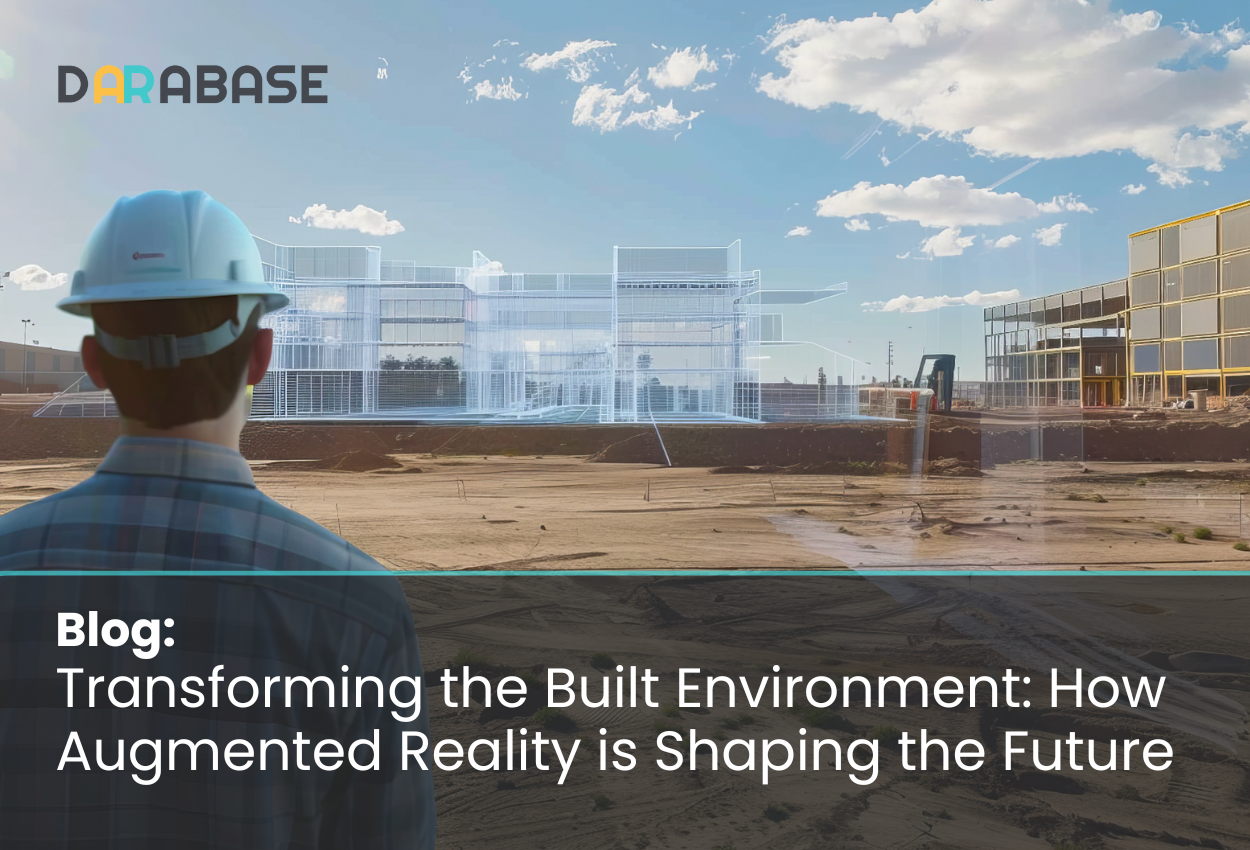
Urban planners, property developers and architects are already turning to AR to visualise and refine their designs. By overlaying digital models onto real-world environments, AR allows everyone involved in the planning process to see how new developments will integrate with existing structures and landscapes. This technology enables them to make more informed decisions, reducing the risk of costly errors and ensuring that new buildings and infrastructure contribute positively to the urban landscape.For example, AR can be used to allow planners to walk through a virtual representation of a future city, gaining insights that would be impossible to achieve through traditional blueprints or 2D models. This ability to visualise the future in a realistic and immersive way is transforming the planning process, leading to smarter, more sustainable urban development.
Transforming Real Estate Sales and Marketing with AR
In addition to enhancing urban planning and public engagement, AR is updating the sales and marketing tactics for new homes and property developments. Traditionally, prospective buyers relied on static images or floor plans to visualise their future living spaces. However, AR takes this experience to a new level by allowing potential homeowners to explore properties and visualise buildings in an immersive and interactive way. Through AR-enabled apps or smart devices, buyers can virtually walk through a home that hasn’t been built yet, viewing every detail from different angles, customising finishes, and seeing how the building and outdoor spaces would look.This level of engagement helps buyers make more informed decisions and therefore also shortens the sales cycle whilst enhancing customer satisfaction levels. Real estate developers and agents can use AR to create compelling marketing materials that stand out in a competitive market, offering a tangible sense of the property’s potential. Moreover, AR can facilitate remote viewing experiences, enabling international buyers to explore properties from afar without needing to visit in person. By making the buying process more accessible, personalised, and visually rich, AR is proving to be a powerful tool in driving the sales of new developments.
Improving Public Engagement and Participation
One of the most significant challenges in urban planning is engaging the public and ensuring that their voices are heard. AR is changing this by making it easier for residents to understand and interact with plans and proposals. Through AR apps, residents can view proposed changes in their neighbourhoods directly, on their smartphones or in future through smart glasses, and provide feedback in real-time.This interactive approach to public consultation not only makes the planning process more transparent but also fosters a sense of ownership and community. Residents are more likely to support projects that they have actively participated in, leading to smoother implementation and greater satisfaction with the results.
Revolutionising Navigation and Accessibility
AR is also revolutionising how we navigate our cities. With AR-enhanced maps and wayfinding apps, users can receive real-time information overlaid on their surroundings, making it easier to find their way and discover shops, restaurants and points of interest. This technology is particularly beneficial for tourists, who can explore cities with guided tours that provide historical context, directions, and recommendations for nearby attractions.For residents, AR can improve accessibility by offering personalised navigation assistance. For example, individuals with mobility issues can use AR apps to find the most accessible routes through the city, complete with information on ramps, elevators, and other facilities. This level of detail can significantly enhance the urban experience for all, making cities more inclusive and user-friendly.For retailers, using strategically placed advertisements on billboards near stores, can allow for AR wayfinding to help customers to find their way to physical stores. This helps brands to increase foot traffic and enhances the customer experience. Take a look at this example from Tommy Hilfiger:
Supporting Smart City Infrastructure
Smart cities rely on a network of interconnected devices and systems to manage everything from traffic flow to energy consumption. AR plays a crucial role in this infrastructure by providing a visual interface for monitoring and controlling these systems. City officials can use AR to visualise data from sensors in real-time, overlaying information such as air quality levels, energy usage, or traffic conditions onto a live view of the city.This capability allows for more responsive and efficient management of city resources. For instance, in the event of a traffic incident, AR can help authorities quickly assess the situation and deploy resources to the right location. Similarly, energy managers can use AR to monitor consumption patterns and identify areas where efficiency improvements can be made, reducing costs and environmental impact.
Facilitating Immersive Cultural and Educational Experiences
Beyond practical applications, AR is also enriching the cultural and educational life of cities. Museums, historical sites, and public spaces are increasingly using AR to create immersive experiences that engage visitors in new and exciting ways. By overlaying digital content onto physical artefacts or locations, AR can bring history and art to life, provide deeper context, and make learning more interactive and enjoyable.These experiences not only enhance the cultural appeal of cities but also attract tourists and boost the local economy. As AR continues to evolve, we can expect to see even more innovative uses of this technology in the cultural sector, further enhancing the vibrancy and appeal of our urban environments.International Towers used AR to bring to life sculptures in large scale in an engaging trail increasing footfall to one of Australia’s most iconic workspaces.
Conclusion
The integration of AR into the built environment is not just a trend but a fundamental shift in how cities are designed, managed, and experienced. As AR technology continues to advance, its role in shaping the future of smart cities will only grow, offering new possibilities for enhancing urban life and making our cities more connected, efficient, and enjoyable places to live. By embracing AR, cities around the world are not just keeping pace with technological change—they are leading the way into a more immersive and intelligent future.To find out more about AR can enhance your city, get in touch with our team.




 For residents, AR can improve accessibility by offering personalised navigation assistance. For example, individuals with mobility issues can use AR apps to find the most accessible routes through the city, complete with information on ramps, elevators, and other facilities. This level of detail can significantly enhance the urban experience for all, making cities more inclusive and user-friendly.
For retailers, using strategically placed advertisements on billboards near stores, can allow for AR wayfinding to help customers to find their way to physical stores. This helps brands to increase foot traffic and enhances the customer experience. Take a look at this example from Tommy Hilfiger:
For residents, AR can improve accessibility by offering personalised navigation assistance. For example, individuals with mobility issues can use AR apps to find the most accessible routes through the city, complete with information on ramps, elevators, and other facilities. This level of detail can significantly enhance the urban experience for all, making cities more inclusive and user-friendly.
For retailers, using strategically placed advertisements on billboards near stores, can allow for AR wayfinding to help customers to find their way to physical stores. This helps brands to increase foot traffic and enhances the customer experience. Take a look at this example from Tommy Hilfiger:
 These experiences not only enhance the cultural appeal of cities but also attract tourists and boost the local economy. As AR continues to evolve, we can expect to see even more innovative uses of this technology in the cultural sector, further enhancing the vibrancy and appeal of our urban environments.
International Towers used AR to bring to life sculptures in large scale in an engaging trail increasing footfall to one of Australia’s most iconic workspaces.
These experiences not only enhance the cultural appeal of cities but also attract tourists and boost the local economy. As AR continues to evolve, we can expect to see even more innovative uses of this technology in the cultural sector, further enhancing the vibrancy and appeal of our urban environments.
International Towers used AR to bring to life sculptures in large scale in an engaging trail increasing footfall to one of Australia’s most iconic workspaces.

